
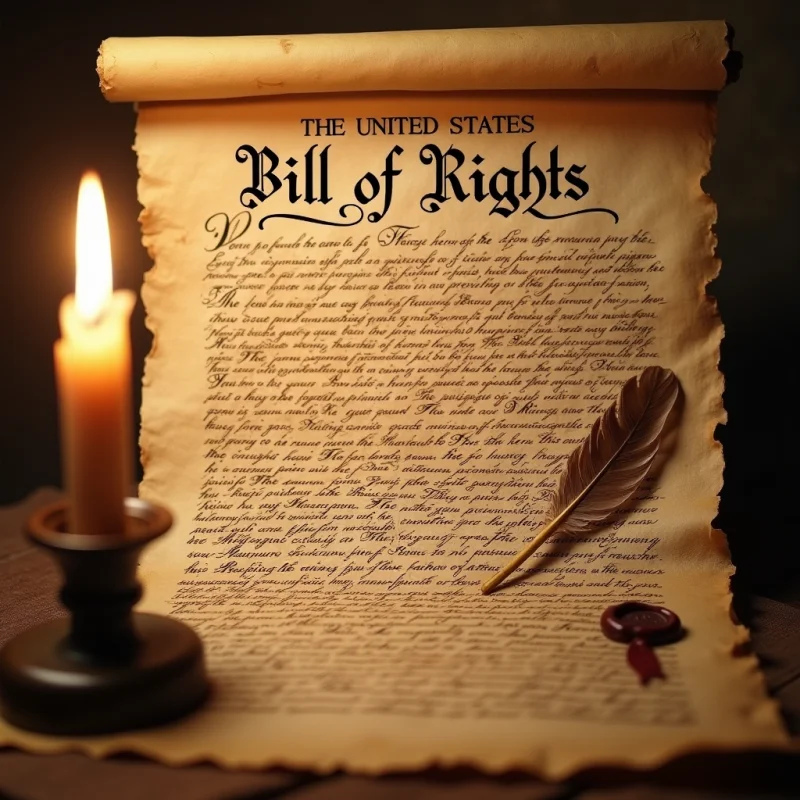

The Declaration of Independence of the United States of America
The foundational document of American democracy, declaring the colonies free and independent states on July 4, 1776.
Description
About The Declaration of Independence
The Declaration of Independence, primarily authored by Thomas Jefferson in June 1776, stands as one of the most influential documents in human history. This foundational text announced the thirteen American colonies’ separation from British rule and articulated the philosophical principles upon which a new nation would be built.
Historical Context
By 1776, tensions between the American colonies and Great Britain had reached a breaking point. The Continental Congress appointed a Committee of Five—Thomas Jefferson, John Adams, Benjamin Franklin, Roger Sherman, and Robert R. Livingston—to draft a formal declaration. Jefferson, renowned for his literary skill, composed the initial draft over seventeen days.
Key Themes
- Natural Rights: The declaration asserts that all men are created equal and endowed with unalienable rights including life, liberty, and the pursuit of happiness
- Popular Sovereignty: Governments derive their just powers from the consent of the governed
- Right of Revolution: When government becomes destructive of these ends, the people have the right to alter or abolish it
- Enumerated Grievances: A detailed list of tyrannical acts committed by King George III
Lasting Impact
The Declaration’s influence extends far beyond American borders. Its principles inspired the French Revolution, Latin American independence movements, and countless struggles for human rights worldwide. Abraham Lincoln called it “a rebuke and a stumbling-block to tyranny and oppression.”
This free ebook edition presents the complete text of this world-changing document, essential reading for anyone interested in the foundations of democracy and human liberty.



Reviews
There are no reviews yet.