
The Picture of Dorian Gray
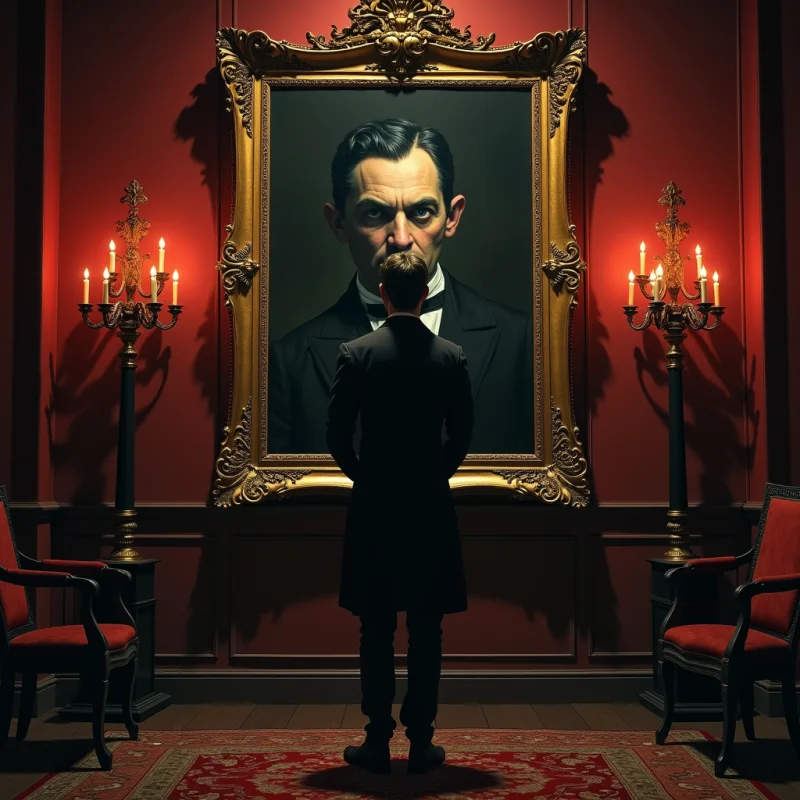
A young man sells his soul for eternal youth while his portrait bears the marks of his sins and corruption.
Description
About This eBook
Overview
The Picture of Dorian Gray is Oscar Wilde’s only novel and a masterpiece of Gothic fiction. It tells the story of a handsome young man in Victorian London who, upon seeing his portrait, wishes that the painting would age instead of him—a wish that is mysteriously granted, leading to his moral corruption and ultimate destruction.
Plot Summary
When artist Basil Hallward paints a portrait of the beautiful Dorian Gray, the young man becomes entranced by his own image. Under the influence of the cynical Lord Henry Wotton, Dorian wishes to remain forever young while his portrait ages in his stead. As years pass, Dorian pursues a life of hedonism and vice, remaining youthful while his portrait grows hideous, recording every sin upon its canvas. When he drives his fiancée Sibyl Vane to suicide and later murders Basil himself, the portrait becomes a nightmarish testament to his corruption. Dorian hides the painting in his attic, living a double life until guilt and horror finally consume him.
Themes & Significance
- Aestheticism & Morality: The dangerous pursuit of beauty and pleasure divorced from ethical consideration.
- The Double Life: The division between public appearance and private corruption, surface and substance.
- Influence & Corruption: Lord Henry’s philosophy poisons Dorian, exploring how ideas can corrupt the innocent.
- Art & Life: The relationship between artistic representation and reality, and whether art should serve morality.
Historical Context
Published in 1890, the novel scandalized Victorian society with its themes of hedonism and implied homosexuality. It was used as evidence against Wilde during his 1895 trials for “gross indecency.” The book remains a key text of the Aesthetic Movement and Gothic literature, exploring the cost of pursuing beauty at the expense of one’s soul.
Reviews
There are no reviews yet.